Vision of BC Naklo – Project and Development Center
By 2030, we want to be recognized as an internationally open center of excellence in agriculture, food, nature conservation, horticulture, and floriculture, where education, practice, and innovation meet. By connecting with schools, universities, companies, and institutions in Slovenia and abroad, we enable our employees, pupils, and students to continuously upgrade their knowledge, skills, and language competences and strengthen their competitiveness in the local and international markets.
About
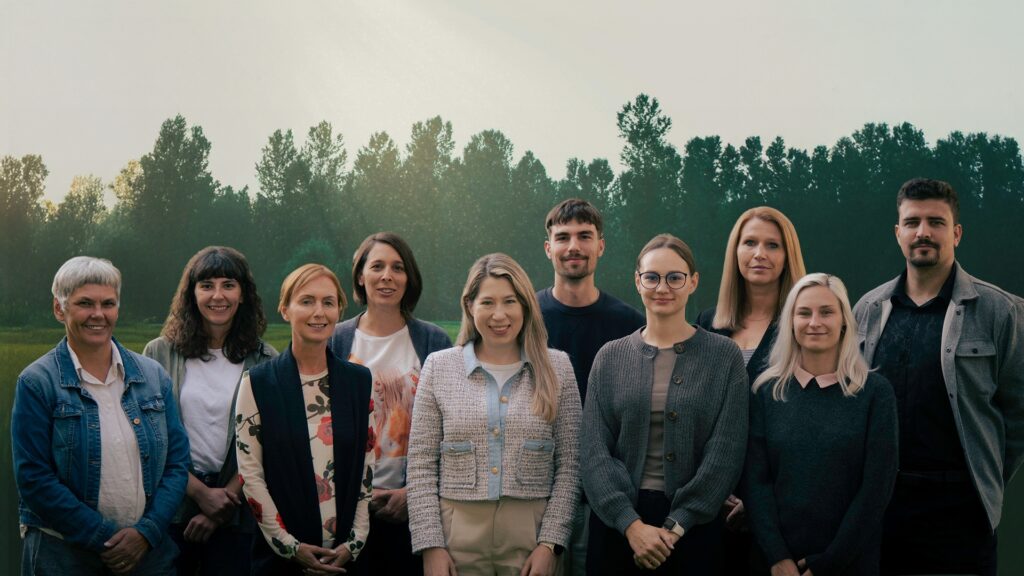
The Project and Development Center is an independent department of the Intercompany Education Center of the Naklo Biotechnical Center, which is responsible for the preparation and implementation of national and international projects and acts as a leading partner in projects or joins various project partnerships at home and in Europe.
Through strategic partnership projects, mobility projects, and joint projects with European institutions, we develop modern learning content, promote multilingualism and digital skills, and also include participants with fewer opportunities in our activities.
The project teams include project coordinators, experts from the Project and Development Center, teachers, lecturers, and experts from the Naklo Biotechnical Center, who work in the fields of sustainable agricultural development, nature conservation, food, horticulture, social farming, rural tourism, renewable energy sources, training and education, etc. We place particular emphasis on digitalisation, as we are creating a modern and connected learning and research environment through the continuous improvement of digital infrastructure.
We implement national and international projects within the framework of various European programs
Erasmus Key Action 1 – Individual learning mobility projects Mobility projects for students and staff in tertiary education Erasmus accreditation in the field of vocational education and training Erasmus accreditation in the field of general school education Key Action 2 – Partnerships for Excellence Cooperation among organisations and institutions – Centres of Vocational Excellence Partnership for Cooperation in the field of Education and Training – European NGOs Alliances for Education and Enterprises Key Action 2 – Cooperation between organisations and institutions
KA210 – Small partnerships
KA220 – Collaborative partnerships
Cross-border and transnational cooperation
Interreg (SI-AT, ITA-SLO, Alpine Space, Central Europe)
LAS Gorenjska košarica,
EIP projects
European Social Fund +
NextGenerationEU
Internationalization – summary of the strategy for 2021–2027
What we pursue
An internationally open center of excellence in secondary and higher education and adult education.
Continuous development of participants’ professional and key competencies and better preparedness for the needs of the labor market.
Our priority areas
Sustainability and green transition (Green Erasmus+, environmentally responsible implementation, sustainable curricula).
Digital transformation (improving digital competences and tools in teaching/learning).
Inclusion and diversity (support for participants with fewer opportunities).
International dimension and multilingualism (partnerships in the EU and EEA, language upgrading).
Democratic values and citizenship, recognition of learning outcomes (Europass, ECTS) and safe, high-quality implementation of mobility.
Measurable targets by 2027
We will develop at least 10 innovative educational content.
+5% participation of pupils/students abroad.
+5% training for teachers and staff.
We will increase the number of foreign pupils/students/teachers visiting by 5%.
We will hold one conference with international participation per year and regularly publish The Sky is the Limit.
Green practices/environmental sustainability/digitalization are present in ≥90% of projects (in ≥50% of projects, two of these are present simultaneously).
We will establish a system for evaluating and monitoring the long-term effects of projects.
How we achieve this
Mobility of pupils, students, and staff.
Strategic partnerships and other international projects (Erasmus+, Interreg, ESS+, EIP, NextGenerationEU, etc.).
Research activities and knowledge transfer into practice through interdisciplinary networks.
Quality: systematic evaluations, ISO 9001/14001, and Erasmus+ standards.
Contact us
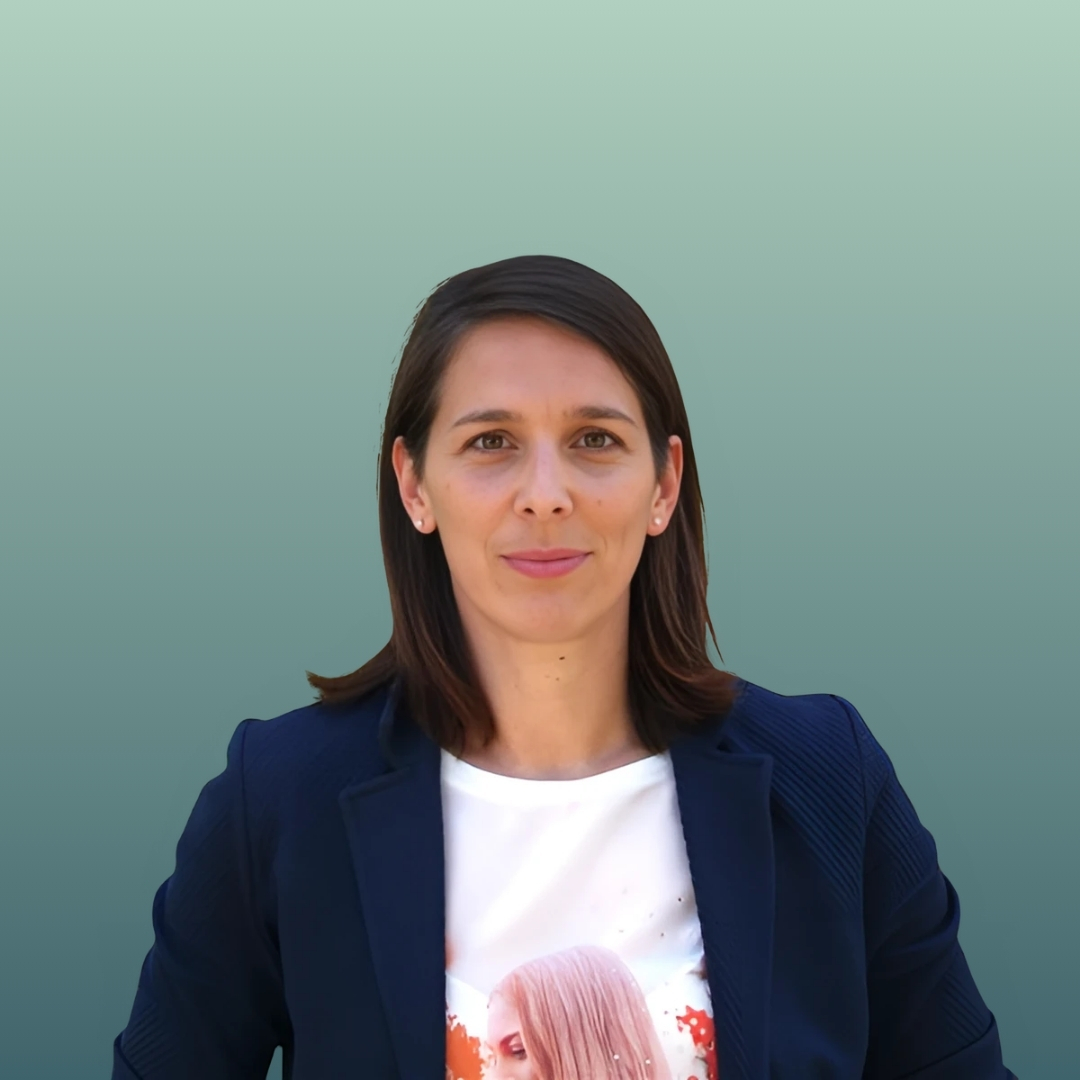
Nuša Levičnik
Head of Project and Development Center
Master of Arts in Organisation, German Language Teacher
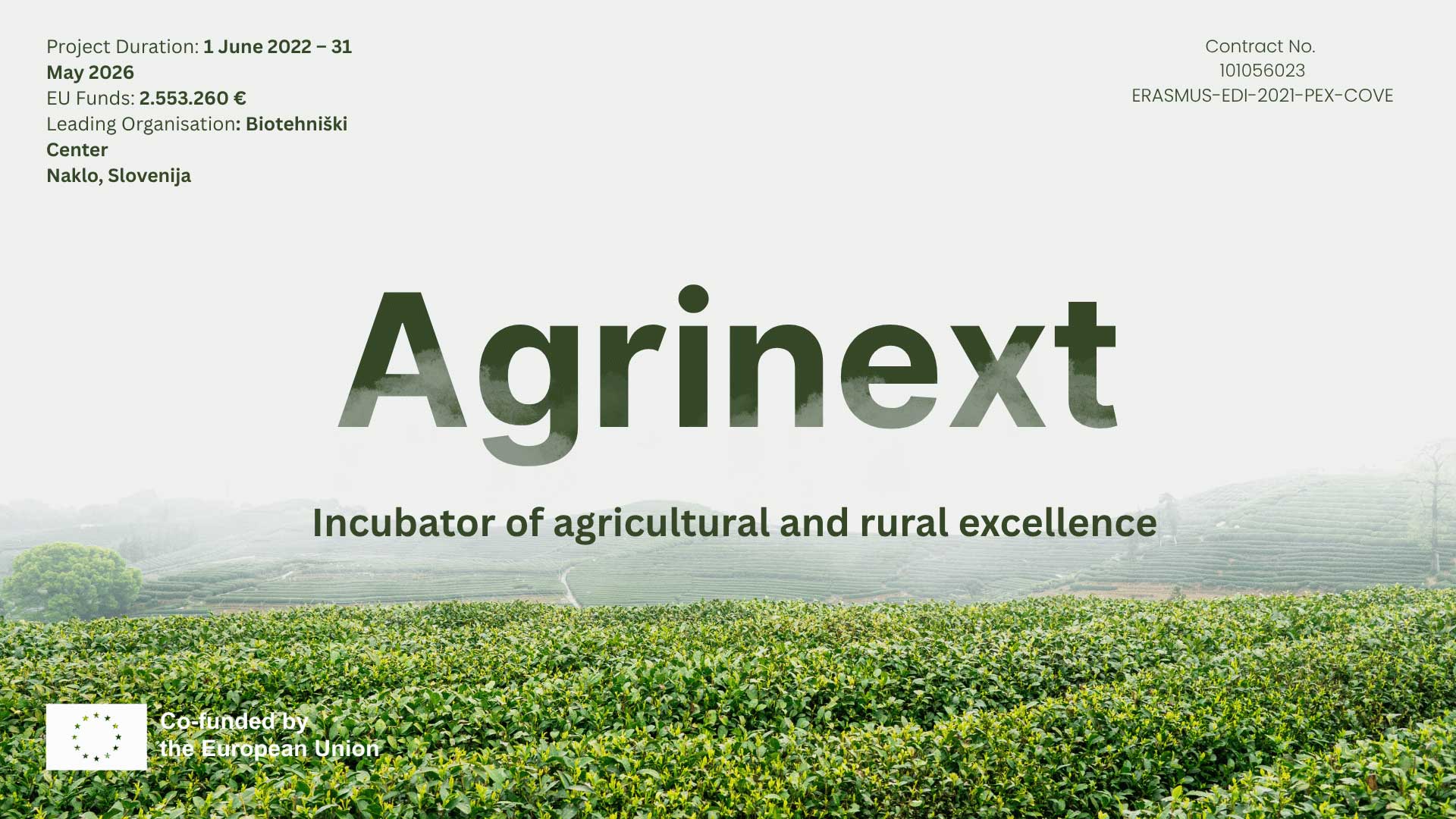
AgriNext – an incubator for excellence in agriculture and rural areas and a platform for the exchange of skills. The overall objective of the AgriNext project is to create a learning environment that responds to the demand for knowledge and skills in the labor market in the field of multifunctional agriculture.
Persona
The PERSONA project aims to develop a hybrid human-artificial intelligence personalized learning path for vocational education and training in agriculture and to promote innovation and sustainability in the sector. This initiative involves the creation of a common micro-accreditation program, combined with a hybrid AI system that supports tailored learning experiences and skills development for agricultural professionals.
Stay
The main objective of the STAY project is to train farmers to set up and manage agritourism businesses as a supplement to agricultural income, with a range of activities linked to the territory and its natural and cultural resources.
C-Farming
The C-Farming project aims to promote carbon-based farming by improving the green, digital, and entrepreneurial skills of farmers, experts, students, and educators. It will develop two educational programs within a digital learning ecosystem and establish incubators to support sustainable agricultural entrepreneurship.
Revacy
The REVACY project aims to address the efficient use of water in agriculture in the face of climate change. Its objectives include studying water use in agriculture in the participating countries, examining the effects of climate change on water availability and quality, and comparing how different countries address the issue of water scarcity. The project also aims to raise awareness and share good practices in agricultural water management.
Train To Sustain
The project aims to equip vocational education and training (VET) teachers with the necessary knowledge and skills to adapt and develop agri-food programs focused on food sustainability, green skills, and climate neutrality. The goal is to improve teachers’ understanding of sustainability and climate change and enable them to integrate sustainable food supply concepts into new and existing curricula to meet the growing needs of the workforce.
Reimagine Food
Reimagine Food is a project funded by Erasmus+ that aims to develop the sustainable development competencies of educators in vocational education and training and enable them adapt vocational education and training to promote social innovation and entrepreneurship as methods for maintaining and building a resilient, environmentally friendly agri-food system.
Euway
The main purpose of the project is to examine water use in agriculture in the participating countries. It focuses on the impact of climate change on water availability and quality in agriculture and on how awareness of these issues is being raised. In addition, the project explores how partner countries are addressing the issue of water scarcity. Raising awareness of the dangers of water scarcity and the risks of pollution Training to optimize the use and quality of water resources Sharing examples of more efficient and less polluting farming techniques.
Farm4sd
The aim of the Farm4SD project is to develop a comprehensive, innovative, and inclusive approach to training farmers, especially medium-sized and small farmers, in the pillars of sustainable agriculture.
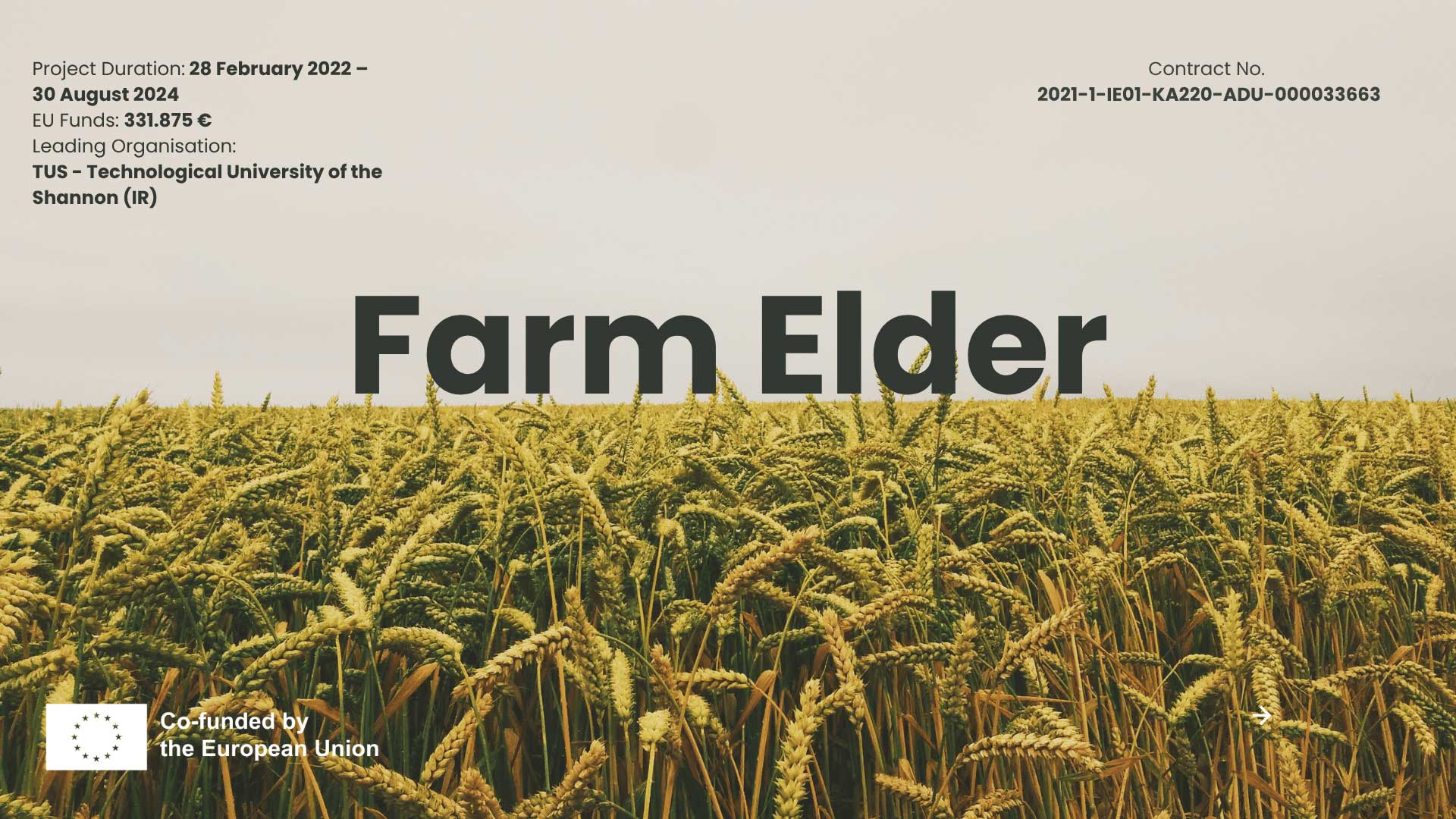
Farm Elder
The project addresses the issues of an aging population and inclusion, and seeks possible solutions in social farming. The main objectives of the project are to identify the key problems of an aging population and ways to solve them with the help of social farming, to use case studies to show the positive effects of involving older people in social farming, especially in rural areas, to develop an educational program for social farms interested in caring for the elderly, and to use short promotional videos to showcase successful practices and key findings from case studies and reports.
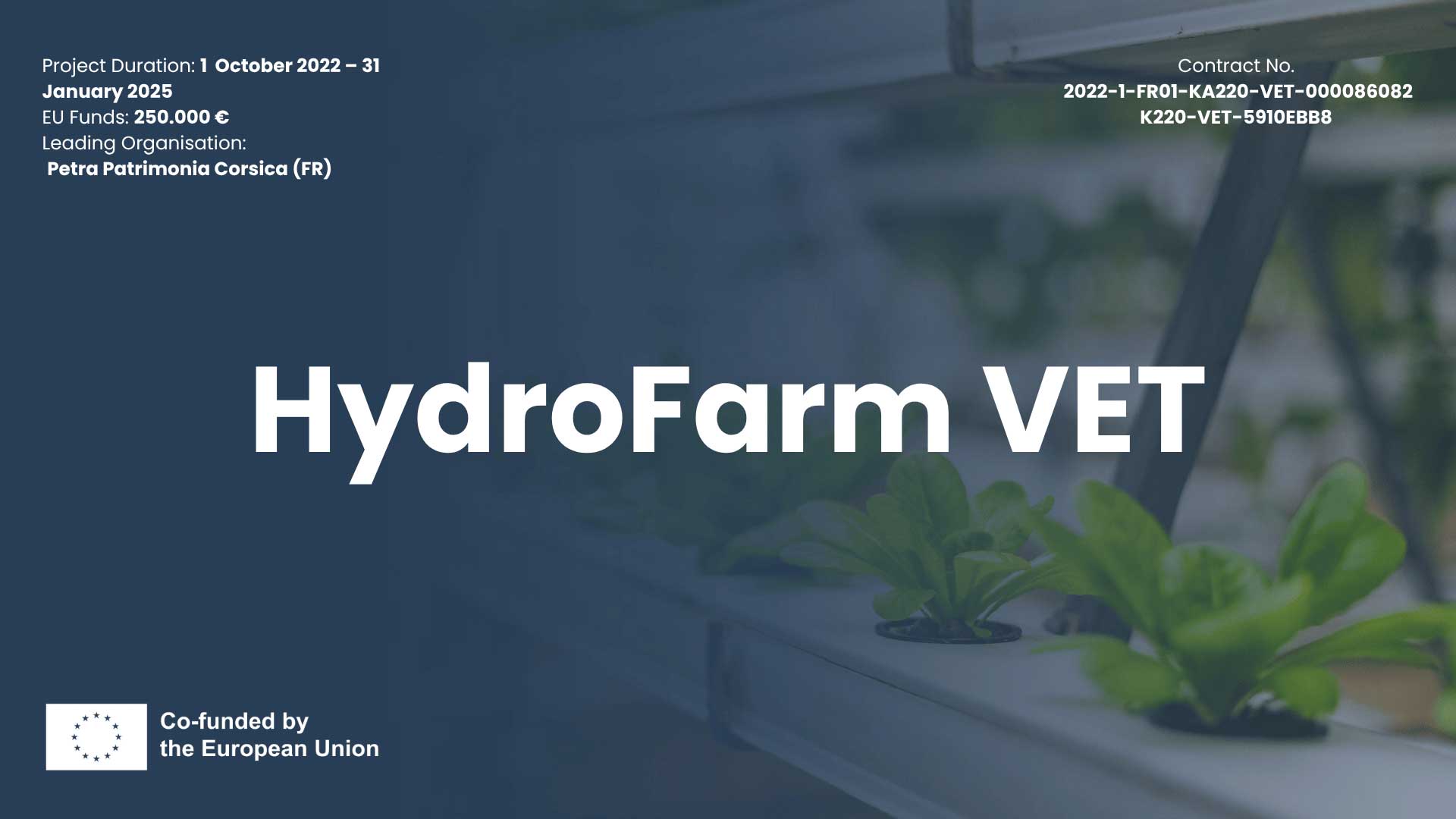
HydroFarm VET
The aim of the HYDRO project is to provide a solid foundation and working knowledge of hydroponics, to develop a vocational education and training program for workers in the agricultural sector and for entrepreneurs who want to engage in hydroponics. The program will offer a dynamic approach to studying issues related to hydroponics.